"It's about understanding your role on the pitch," Grimsby manager Paul Hurst said, emphasizing the need for stronger defensive cohesion. His team's recent matches have exposed vulnerabilities at the back, raising concerns among supporters and analysts alike. As the Mariners look to solidify their position in League Two, defensive resilience has become paramount.
Grimsby's backline, often described as a mix of youth and experience, is being tested amid an increasing barrage of opposing attacks. The team has conceded 18 goals in as many matches this season. Defender M. Kacurri, alongside S. Lavelle, has struggled with positioning against pacey forwards, leading to critical goals conceded. Hurst's strategy typically emphasizes structure; however, recent games suggest a departure from that plan.
The match against Bradford City was a case in point. Grimsby's defensive unit appeared disorganized during set pieces, with a noticeable lapse in communication. The result? A 3-1 defeat that saw the opponents exploit these gaps repeatedly. Grimsby's defenders need to tighten up as they prepare for their next encounter against Swindon Town.
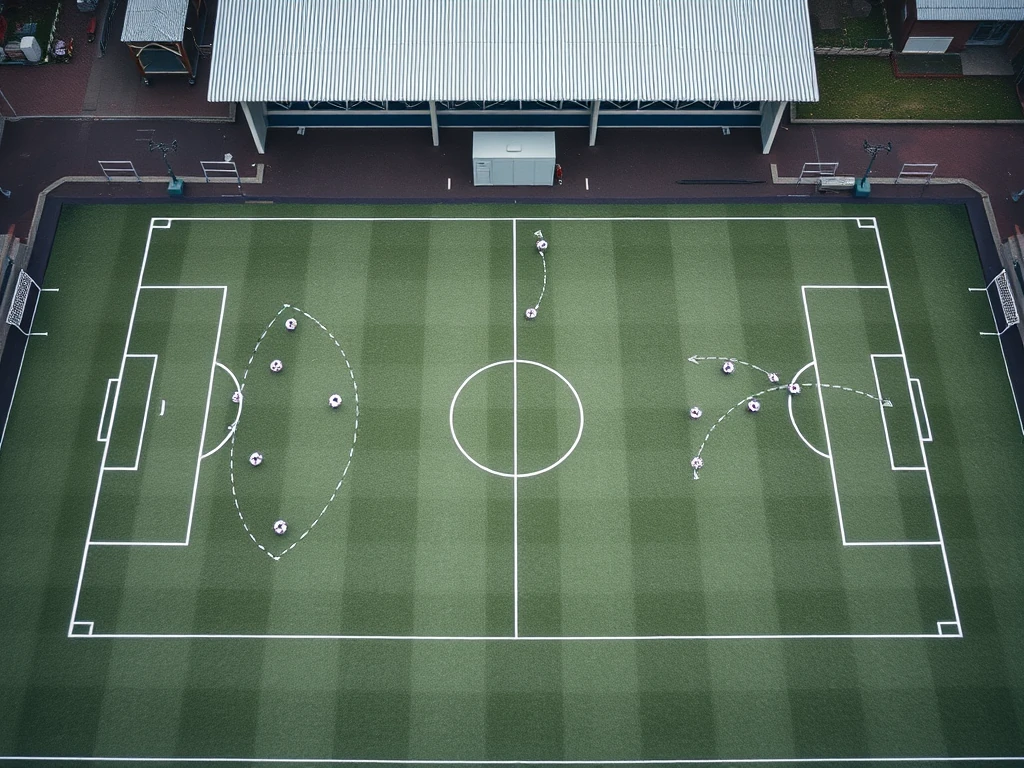
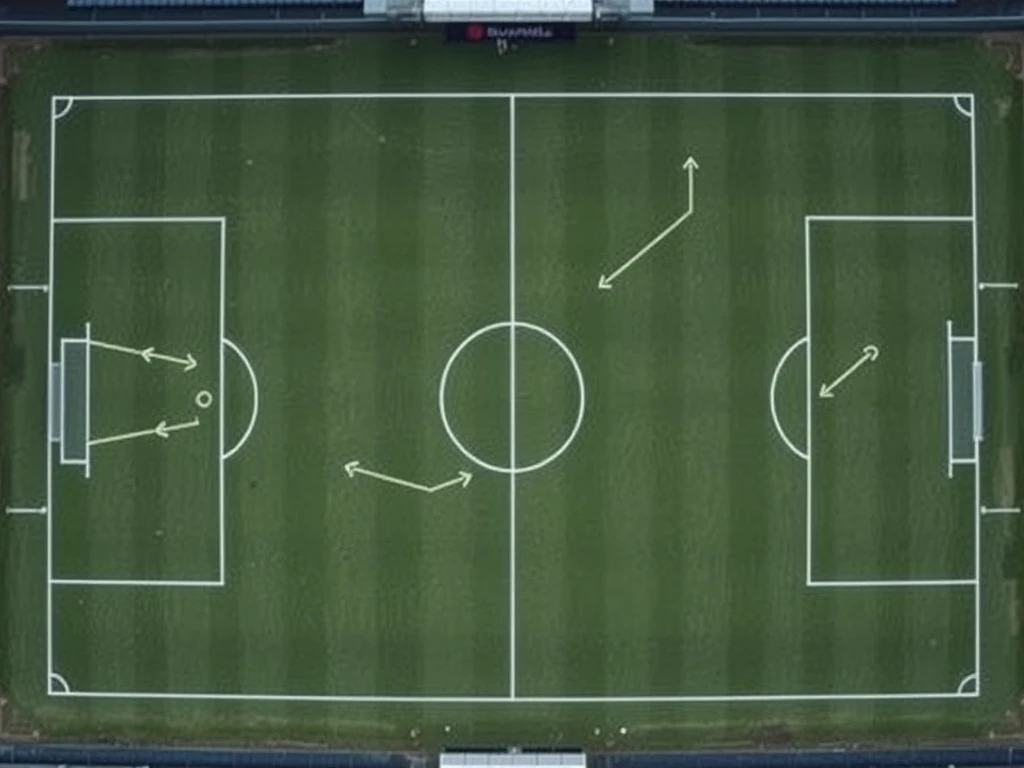
There are aspects of the style worth noting, specifically Grimsby's high pressing game, which, when executed effectively, can put opponents under immense pressure. However, this has often left the backline exposed when the press fails. If Hurst can instill better discipline and role awareness in his players, Grimsby might reverse the trend.
As upheaval looms for the Mariners, a more robust focus on defensive alignment could be the key to reclaiming traction in the league. With the right adjustments, the potential to improve is evident, and supporters will await their next match with a renewed hope for a solid defensive display.