Three. That's the number of formations Grimsby has employed in their last five League Two matches, showcasing a tactical evolution that has puzzled opponents. Managerial adjustments reflect a commitment to versatility, especially in high-pressure situations.
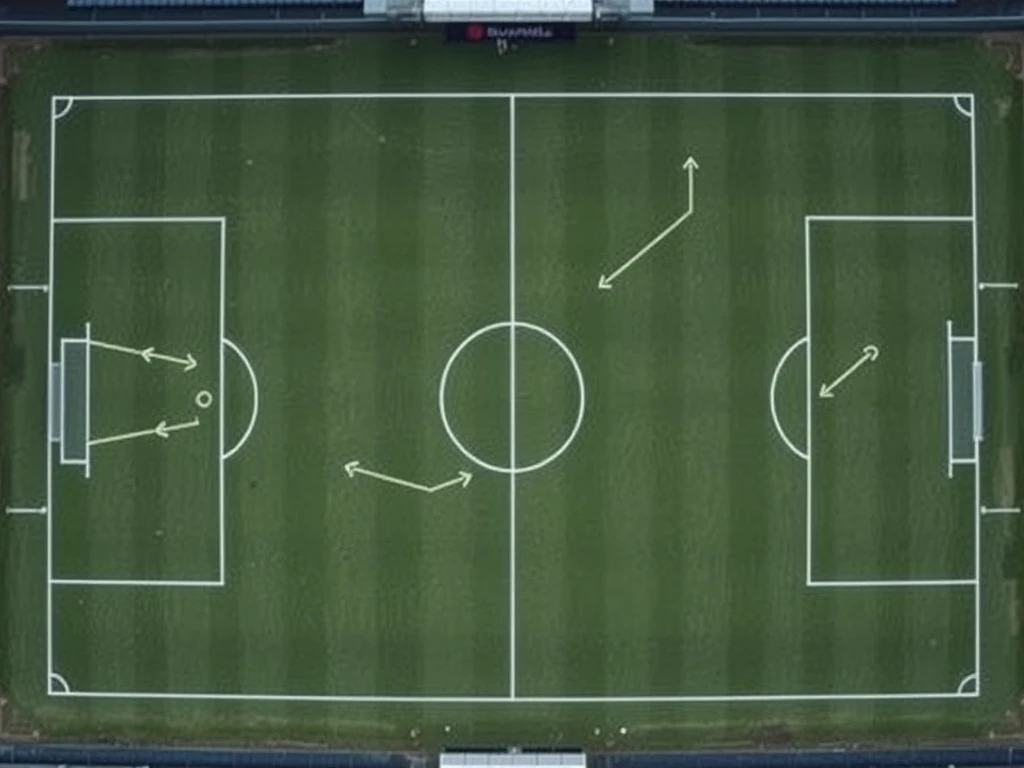
During recent matchups, the Mariners have transitioned seamlessly from a 4-4-2 to a more dynamic 3-5-2 setup, allowing players to exploit different channels on the pitch. This shift not only maximizes player strengths but also adapts strategically to the opposition's weaknesses. For instance, in the latest encounter against Harrogate, the change led to increased ball possession and ultimately a win that reinvigorated the squad's playoff aspirations.
Players like H. Booth have shown adaptability, moving between central roles and wide positions to create overloads and chances. His recent performance has been critical, Booth registered two assists against Barrow, which highlighted the tactical fluidity manager Paul Hurst has fostered. This adaptability keeps opposing defenses guessing, as Grimsby can adjust its game plan with little warning.
As the season progresses, it's evident that Grimsby's evolution on the tactical front is not a mere coincidence but a strategic plan aimed at embracing the pressures of promotion. Supporters are witnessing the birth of a team that is not only skilled but intelligent on the ball, poised to make a significant impact as they head toward the playoffs. With each match, the Mariners are creating a reputation for both resilience and unpredictability.